Losing a tooth is more than a cosmetic concern — it affects your ability to chew, your speech, and your jawbone health. Two of the most common solutions are dental implants and dental bridges. Both can restore your smile, but they work very differently and have distinct advantages and limitations. Here is what you need to know to make the right choice.
What Is a Dental Bridge?
A dental bridge literally "bridges" the gap left by a missing tooth. It consists of a false tooth (pontic) held in place by crowns on the adjacent teeth. The adjacent teeth must be filed down to support the bridge — a permanent alteration that cannot be reversed.
What Is a Dental Implant?
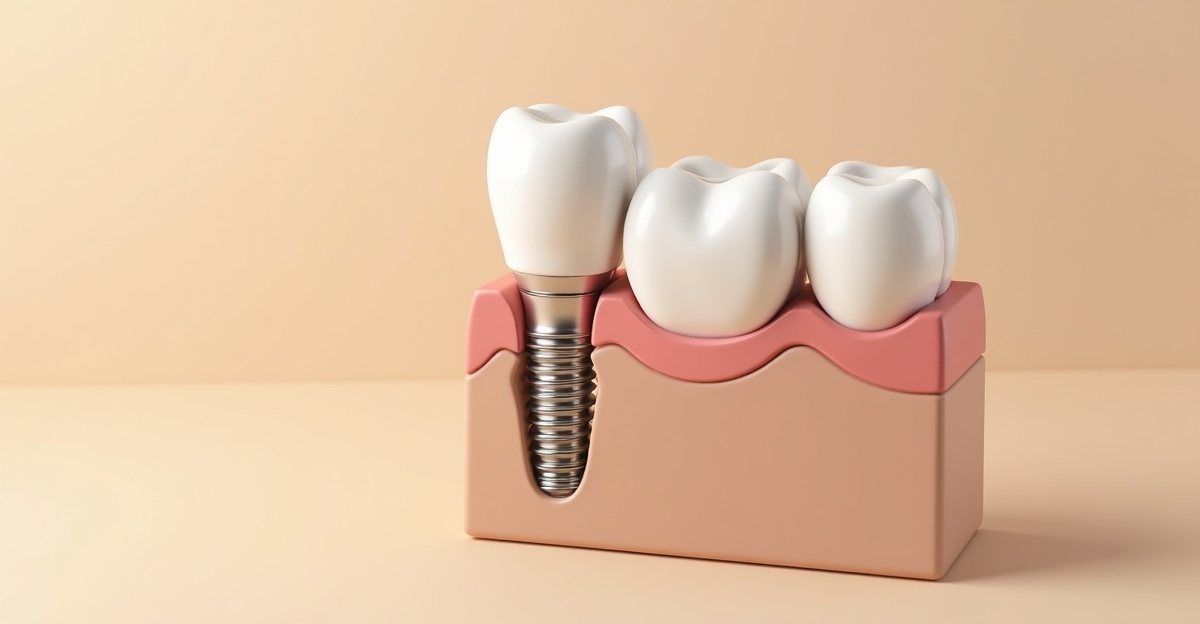
A dental implant is a titanium post surgically placed into the jawbone to replace the missing tooth root. A crown is then attached on top. Unlike a bridge, an implant is completely independent — it does not affect adjacent teeth and actually stimulates the jawbone to prevent bone loss.
Key Differences at a Glance
- Longevity: Implants can last a lifetime; bridges typically last 10–15 years
- Bone preservation: Implants stimulate bone; bridges allow bone loss under the pontic
- Adjacent teeth: Implants are independent; bridges require filing down healthy teeth
- Maintenance: Implants are cleaned like natural teeth; bridges require special flossing
- Cost: Implants have higher upfront cost; bridges are initially less expensive
- Timeline: Implants take 3–6 months; bridges can be placed in 2–3 weeks
When Is a Bridge the Better Choice?
A bridge may be preferable when: the adjacent teeth already need crowns, there is insufficient bone for an implant without grafting, the patient prefers a faster solution, or medical conditions make surgery inadvisable.
When Is an Implant the Better Choice?
An implant is generally the better long-term investment when: the adjacent teeth are healthy, there is adequate bone volume, the patient wants a permanent solution, and they want to preserve jawbone health.
The best choice depends on your individual situation — bone density, adjacent tooth health, budget, and timeline. A thorough consultation with a specialist is the only way to determine the right option for you.
“The goal is not just to fill the gap — it is to restore function, preserve health, and create a result that lasts.”