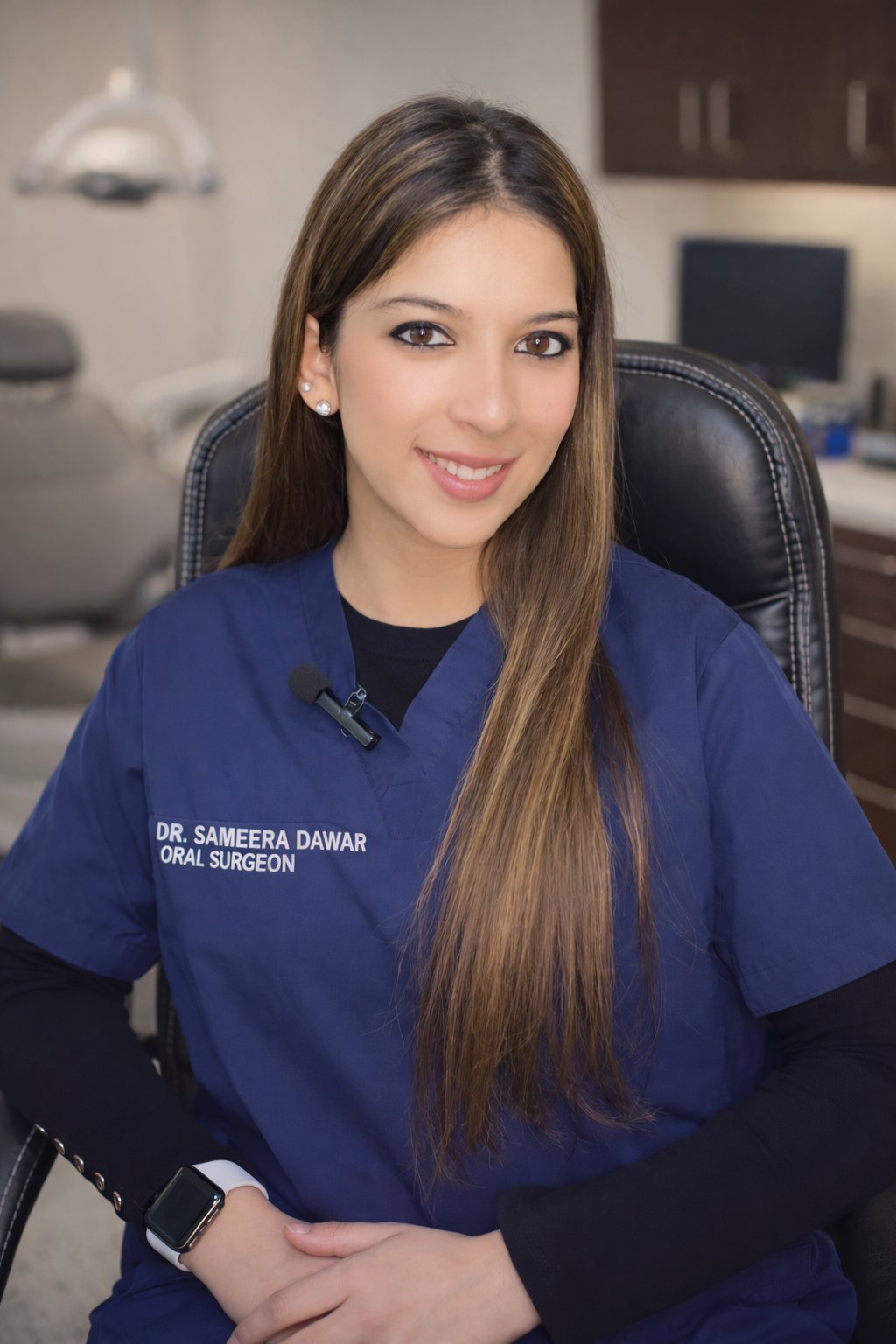
In a world of synthetic fillers and chemical treatments, PRP therapy stands apart as a genuinely natural approach to skin rejuvenation. By harnessing the healing power already present in your own blood, PRP stimulates collagen production, improves skin texture, and restores a youthful radiance — without introducing any foreign substances into your body.
What Is PRP Therapy?
Platelet-Rich Plasma (PRP) therapy involves drawing a small amount of your blood, processing it in a centrifuge to concentrate the platelets, and then applying this platelet-rich plasma to your skin. Platelets contain growth factors — proteins that signal your body to repair and regenerate tissue.
When applied to the skin (via microneedling or injection), these growth factors stimulate collagen and elastin production, accelerate cell turnover, and improve blood supply to the skin. The result is firmer, smoother, more radiant skin.
What Can PRP Treat?
- Fine lines and wrinkles
- Dull, tired-looking skin
- Uneven skin texture and tone
- Dark circles and under-eye hollowness
- Acne scars and post-inflammatory marks
- Hair thinning and hair loss
- Sun damage and pigmentation
The PRP Treatment Process
Step 1: Blood Draw
A small amount of blood (similar to a routine blood test) is drawn from your arm. This takes just a few minutes.
Step 2: Centrifugation
The blood is placed in a centrifuge and spun at high speed to separate the components. This concentrates the platelets into a golden-coloured plasma — the PRP.
Step 3: Application
The PRP is applied to your skin using microneedling (for overall rejuvenation) or direct injection (for targeted areas like under-eye hollows or hair loss). A topical numbing cream is applied beforehand for comfort.
Step 4: Recovery
You may experience mild redness and swelling for 24–48 hours — similar to a mild sunburn. Most patients return to normal activities the next day.
PRP is 100% natural — it uses only your own blood, so there is zero risk of allergic reaction or rejection. It's the ultimate "clean beauty" treatment.
PRP vs. Other Skin Treatments
Unlike fillers (which add volume) or Botox (which relaxes muscles), PRP works by stimulating your skin's own regenerative processes. The results are gradual and natural-looking, improving over 2–3 months as collagen production increases. PRP is often combined with other treatments for enhanced results.
How Many Sessions Do You Need?
For optimal results, most patients undergo 3 sessions spaced 4–6 weeks apart. Maintenance sessions every 6–12 months help sustain the improvements. Results vary based on age, skin condition, and lifestyle factors.
“PRP is your body's own intelligence, amplified. It doesn't change you — it restores you.”